
In the Horn of Africa, Somalia stands as a nation long afflicted by conflict, where divisions between clans, communities, and regions are deepened by competition over scarce natural resources. With land and water in short supply, the battle for survival has often led to violent confrontations. But as climate change exacerbates the strain on Somalia’s natural environment, a new approach is emerging—one that seeks to turn shared resources into platforms for peace. Through environmental conservation, Somalia’s communities are discovering that cooperation over land, water, and other natural assets may be the key to long-term peace.
The Role of Natural Resources in Somalia’s Conflicts
Somalia’s history is marked by the struggle for control of essential resources—water, pasture, and fertile land. The country’s pastoralist communities, who rely on herding for their livelihoods, have long battled one another for grazing rights and access to water. This competition is not new; it is deeply rooted in Somalia’s social and economic fabric. When droughts strike, as they frequently do in the Horn of Africa, tensions escalate, leading to violence over dwindling resources.
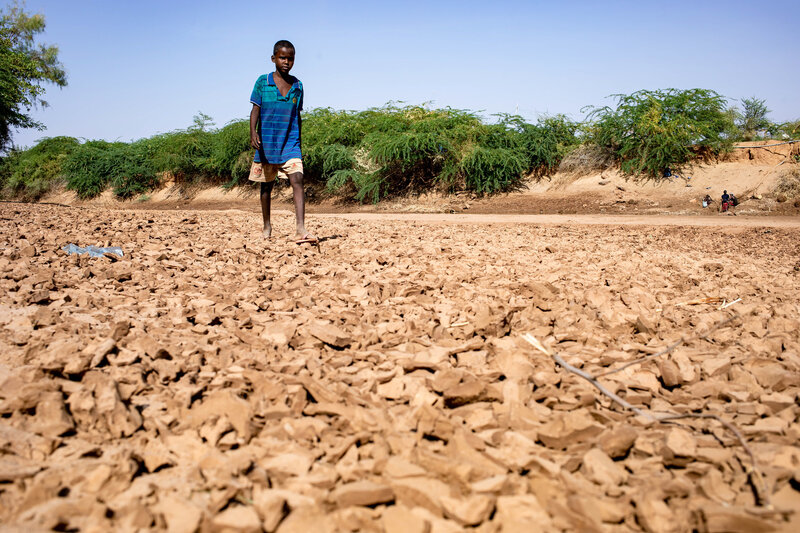
The 2017 famine in Somalia, driven by a severe drought, was a stark reminder of the delicate balance between environmental health and societal stability. As livestock perished and crops failed, communities were pushed into conflict over the limited remaining resources. Areas that were once rich in pastures became barren, and nomadic communities were forced into closer proximity with each other, fueling tensions.
Climate change is only amplifying these challenges. Longer dry seasons and unpredictable rainfall patterns are leaving Somali communities more vulnerable. According to the UN Environment Programme (UNEP), Somalia’s climate has been changing rapidly, with the country experiencing a 15% reduction in annual rainfall since the 1980s. This climate-induced stress is now viewed as one of the major drivers of conflict in the country, as rival groups vie for control over dwindling resources.
Conservation as a Path to Peace
Yet, amidst these challenges, conservation efforts are offering a glimmer of hope. Environmental peacebuilding is a concept gaining traction in Somalia, based on the belief that managing shared natural resources collaboratively can help reduce conflict. The logic is simple: When communities work together to conserve and manage their environment, they build trust and establish mutual dependence. By working toward common environmental goals, formerly adversarial groups can begin to see each other not as enemies but as partners in sustainability.
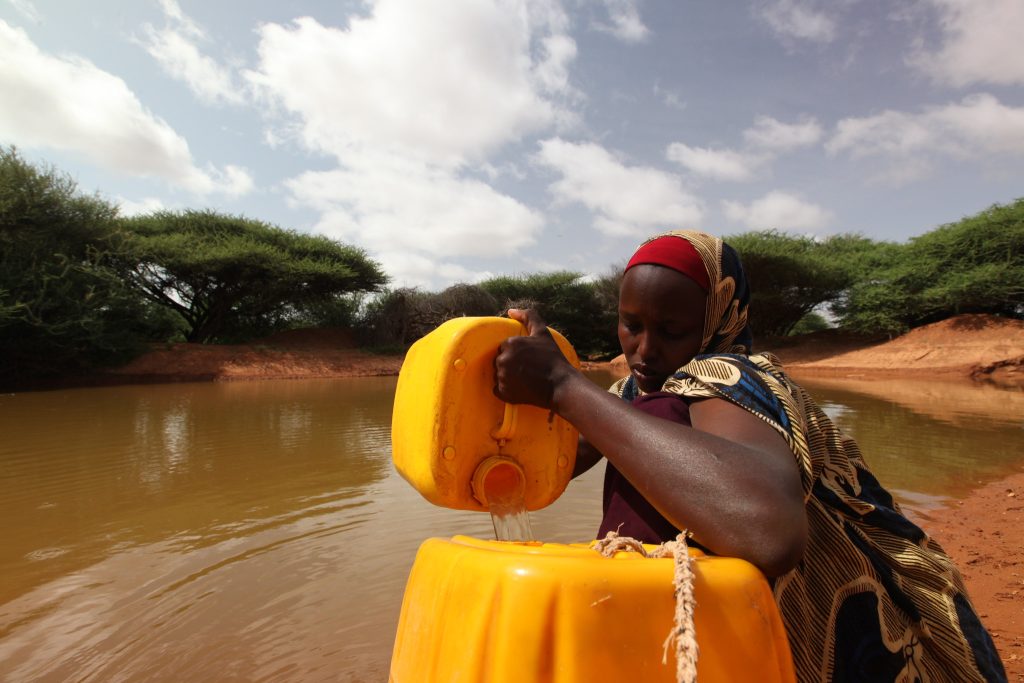
One powerful example of this approach is the collaboration between Somali pastoralist communities in the Jubba Valley. In 2018, a project was launched with the goal of jointly managing water resources that had long been a source of tension. Through the efforts of the United Nations Environment Programme (UNEP) and local stakeholders, communities were trained to share water sources, maintaining them together and preventing over-extraction. This effort helped decrease the frequency of violent disputes over water, providing a platform for collaboration that benefited all parties involved.
Another noteworthy example is the restoration of degraded land in the Puntland region of northern Somalia. Overgrazing and deforestation had rendered the land barren, worsening the effects of climate change. However, by uniting farmers and pastoralists in a reforestation project, Somalia has begun to restore large areas of land. These initiatives, supported by both local and international organizations, are showing that sustainable land use practices can benefit everyone, even those who once fought over these resources.
Youth: Catalysts for Environmental Peacebuilding
The youth of Somalia are playing an increasingly prominent role in these conservation efforts. As the country’s younger generations become more involved in environmental issues, they are creating innovative ways to promote peace and sustainability. Young leaders are driving initiatives aimed at increasing environmental awareness and facilitating dialogue between divided communities.
In 2020, a group of Somali youth launched the “Green Somalia Initiative,” a project that focuses on reforestation and sustainable agriculture. Their aim was not only to address environmental degradation but also to bring together communities that have long been separated by conflict. By planting trees and creating sustainable farming practices, they are building shared spaces where different clans can cooperate.
Youth-led conservation projects have proven to be powerful vehicles for peace. The youth, who are less burdened by the traditional divisions of their elders, often have a fresh perspective on what collaboration can achieve. By embracing the challenges of climate change and environmental degradation, Somali youth are forging connections that transcend clan-based divisions, laying the groundwork for a more peaceful future.
The Way Forward: Scaling Up Conservation for Peace
While the examples above are encouraging, there is much more to be done. The challenge lies in scaling these efforts to reach a broader audience. For many communities, the desire for peace through environmental cooperation is overshadowed by the immediate threat of survival. To truly make conservation a pathway to peace, Somalia must overcome several obstacles.
First, political instability continues to hinder large-scale conservation initiatives. Without a unified national government, many local efforts are fragmented and struggle to gain traction. The lack of infrastructure and resources also makes it difficult to implement wide-reaching conservation programs. However, with international support and a focus on community-driven solutions, these barriers can be addressed.
Second, conservation projects need to be integrated into national peacebuilding strategies. Environmental cooperation should not be seen as a separate issue but as a crucial component of Somalia’s broader peace and stability efforts. Organizations like the United Nations, the African Union, and regional bodies can play a key role in facilitating these initiatives, ensuring that conservation is embedded in peace negotiations and rebuilding efforts.
Conclusion: A New Dawn for Somalia
As Somalia continues to grapple with the effects of climate change and resource scarcity, the path forward lies in turning the country’s environmental challenges into opportunities for peace. By focusing on shared natural resources and fostering collaboration across divided communities, Somalia can use environmental conservation as a bridge to healing. With the support of international partners and a commitment to youth-led innovation, the dream of a peaceful, prosperous, and sustainable Somalia is not out of reach.